
2022-2024 NCCVCS State Service Plan.pdf
NC Commission on Volunteerism & Community Service
State Service Plan
2022 - 2024

Table of Contents
Overarching Goal:
To grow volunteerism in the state by increasing knowledge and awareness of the critical role of volunteerism in addressing local needs in our communities to improve the lives of all North Carolinians.
20301 Mail Service Ctr
Raleigh, NC 27699
919-814-2000
volunteernc@nc.gov
www.volunteernc.org
Plan Overview
The North Carolina Commission on Volunteerism & Community Service (VolunteerNC) is the oversight organization for national service in North Carolina. VolunteerNC supports AmeriCorps programs and encourages civic engagement to improve the quality of life in North Carolina communities. The Commission develops a three-year State Service Plan aimed at utilizing service and volunteerism as a solution to the most pressing needs facing North Carolina's communities. This plan reflects the strategy of the North Carolina Commission on Volunteerism & Community Service with regard to the coordination of national service and volunteer service activities across all streams of service in the state. Our priority is to ensure that all national service and volunteer service entities within the state are communicating, cooperating, and collaborating.
Plan Methodology
To develop the State Service Plan for 2022-2024, the organization used several existing surveys that were conducted by partner organizations in 2020 and 2021. The top concerns identified were: Economic Opportunity, Healthy Futures, Food Insecurity, and Homelessness. VolunteerNC incorporated these concerns into the priority areas of this State Service Plan. A survey was then sent to existing partners, stakeholders, and nonprofits to contribute their knowledge, ideas, concerns, and suggestions and assist in the development of these priorities. Over 150 people completed the survey from all across North Carolina. Respondents came from 50 counties in both rural and urban areas of the state. A majority of respondents are affiliated with the nonprofit sector but there were also responses from individuals in the private sector, government, education, and faith-based organizations. Respondents also represented a range of age groups with most individuals falling within the 51 to 70 age group.
VolunteerNC reviewed the survey results and used them to fine tune the goals and strategies for each priority area of the State Service Plan.
Survey Results
The survey confirmed that the Commission's overall goal is to increase volunteerism by increasing knowledge and awareness of the critical role of volunteerism in addressing local needs in our communities to improve the lives of all North Carolinians. National Service, Volunteerism, and Disaster continue to be the top priorities.
The Commission recognizes its unique position and opportunity to create, collaborate and partner with a variety of organizations across the state on the many aspects of this State Service Plan. The Commission would like to increase its visibility as a provider of training and support for the volunteer and service sector within the state by providing cross-issue training and partnership support. An underlying goal is to nurture partnerships and facilitate training to increase knowledge of resources at the local, state, and national level.
Volunteerism Disaster National Service
National Service
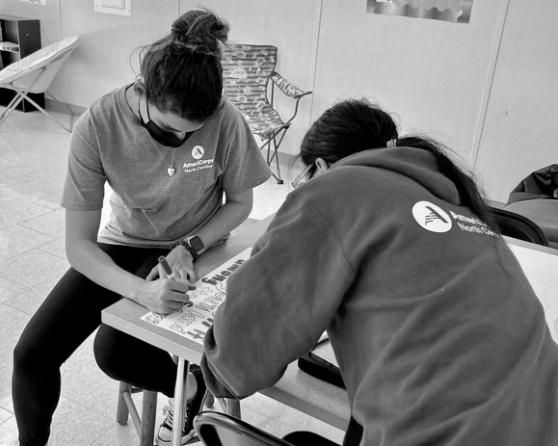
North Carolina has a strong history and a proud tradition of volunteerism and service. This engagement has served as a catalyst for meeting critical needs in local communities and enhancing the quality of life for many people in our state. National Service remains a core part of the volunteer efforts that are being led across the state and a priority for the work of the commission in this State Service Plan. Based upon the feedback from participants in the State Service Plan surveys and outreach, a prioritization of commission activities and resources in this priority area will focus on the areas of: Economic Opportunity, Healthy Futures, Food Insecurity, and Homelessness.
National Service Strategies
- Support Existing Programs
- Develop New Programs
- Enhance Member and Alumni Development and Engagement
- Connect and Collaborate with the National Service Network
- Promote Outreach and Awareness
- Provide National Service Training
Goal:
Strengthen and promote national service to better serve the needs of communities and establish best practices for service in the state.
Actions
1 - Support Existing Programs
- Provide training for smaller programs to assist with expansion.
- Support existing programs with ongoing training and technical assistance.
- Develop an annual training calendar based on the AmeriCorps Program Director Needs Assessment.
2 - Develop New Programs
- Focus on new programming in the priority areas from the survey (Economic Opportunity, Healthy Futures, Food insecurity, and Homelessness). Engage at least 5 new organizations that may host future AmeriCorps programs.
- Hold meetings with community stakeholders and organizations/leaders to promote national service.
- Partner with volunteer centers to develop new programs related to workforce training to encourage economic development in communities post pandemic.
3 – Enhance Member and Alumni Development and Engagement
- Create a database of National Service alumni in the state.
- Provide mentoring to current members serving in North Carolina.
- Invite AmeriCorps alumni to service days.
- Boost alumni engagement by providing spaces to connect and highlighting opportunities for AmeriCorps alumni to continue serving.
- Connect current members with alumni to foster a spirit of service and enhance opportunities for collaboration and mentoring.
4 – Connect and Collaborate with the National Service Network
- Encourage partners and communities to utilize National Civilian Community Corps.
- Connect with other streams of service in North Carolina.
- Increase collaboration and resource sharing with other commissions and national service organizations.
- Plan and implement a National Service Symposium to connect all streams of service in the state.
5 -Promote Outreach and Awareness
- Engage and inform elected officials and other leaders at the state and national level about the work of national service programs and VolunteerNC.
- Better utilize AmeriCorps Week to increase awareness of AmeriCorps programs throughout the state.
- Increase social media presence of AmeriCorps North Carolina.
- Promote AmeriCorps opportunities to at least ten Service Learning and Career offices within colleges and universities.
6 – Provide National Service Focused Training
- Train current national service programs to increase their capacity to run compliant and successful programs.
- Pair new national service programs with mentors from established and well-run national service programs.
- Provide professional development for program staff and members.
- Provide training, education, and technical assistance for commission staff to grow and learn, including peer mentoring and shadowing in other states.
- Provide training and technical assistance and program development workshops for new programs throughout their first year.
- Increase the number of virtual trainings in order to increase accessibility and participation.
- Partner with other states, corporations, universities, and nonprofits for training around specialized topics.
Volunteerism
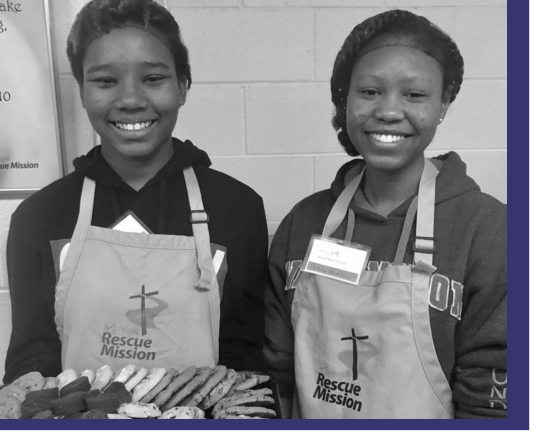
The Commission is dedicated to researching new ways to mobilize volunteers and increase the rate of volunteerism in the state. From programs like the Governor's Page Program and Volunteer Awards, the Commission seeks to support efforts to make volunteerism a viable option for all North Carolina residents. Therefore, special attention will be focused on increasing and sharing volunteer opportunities for Seniors and people over 55, Latinx communities, historically marginalized populations, immigrant and refugee communities, people with disabilities, youth, and Veterans/Military communities. Special attention will be focused on volunteerism that touches the concern areas of Economic Opportunity, Healthy Futures, Food insecurity, and Homelessness.
Volunteerism Strategies
- Connect and Collaborate with Volunteer Organizations
- Encourage Business and Corporate Engagement
- Support Youth and University Engagement
- Manage and Expand Volunteer Awards and Recognition
- Identify Needs Within Communities
- Provide Training, Networking and Capacity Building Resources
Goal:
Promote volunteer awareness and engagement.
Actions
1 - Connect and Collaborate with Volunteer Organizations
- Sponsor and support training for volunteer center staff and volunteers.
- Facilitate quarterly calls with volunteer centers to stay up-to-date with programs and available opportunities.
- Collaborate with Voluntary Organizations Active in Disasters (VOADs).
- Connect with nonprofit organizations.
2 – Encourage Business and Corporate Engagement
- Utilize skills-based volunteerism as a strategy to engage the business community to increase their volunteerism in the state. Prepare nonprofits to work with skills-based volunteers.
- Engage the business community to increase volunteerism.
- Partner with groups that promote corporate volunteerism, such as the United Way's Workforce Campaign or Points of Light's Community for Employee Civic Engagement.
- Collaborate with Volunteer Centers to encourage corporate volunteer opportunities and Employee Volunteer Programs (EVP).
- Contact licensing boards, government agencies, and chambers of commerce to disseminate information on volunteerism in the state.
- Create corporate and small business awards for those that meet a threshold of hours, number of staff volunteering, etc.
3 – Support Youth and University Engagement
- Provide opportunities for Pages to serve after the program.
- Expand Teen and Page Community Service Projects.
- Conduct outreach to high schools to encourage youth service programs and highlight the benefits of youth service.
- Connect with the Association of Student Governments to share opportunities with universities across the state.
- Evaluate methods of communication yearly for new methods to share information.
- Engage a consultant to conduct a youth service survey and use results to inform a comprehensive plan for expanding youth service throughout the state.
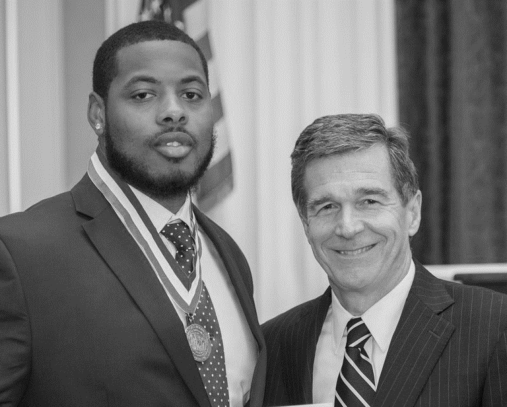
4 – Manage and Expand Volunteer Awards and Recognition
- Recruit award coordinators with the help of the volunteer centers.
- Focus recruitment on rural and smaller counties to attempt to increase awareness of the Volunteer Awards overall.
- Increase outreach and awareness of the awards to more individuals and volunteers across the state.
- Increase volunteer recognition for national service and business that have been under-recognized in past years.
5 - Identify Needs Within Communities
- Provide special support, such as increased grant amounts, and specialized trainings for volunteer groups which target historically marginalized populations throughout the state.
- Add surveys and questions to existing strategies and communications within state agencies connecting with North Carolina residents to integrate volunteerism and volunteer needs.
- Identify and engage target groups who are available to volunteer (Latinx, Historically Marginalized populations, Youth, People with Disabilities, Seniors).
6 – Provide Training, Networking, and Capacity Building
- Develop and lead nonprofit and volunteer center training to build capacity and leadership.
- Create specific training efforts for rural, historically marginalized populations, and low-income volunteer groups to help mitigate the impacts of COVID-19.
- Provide resources for board member training.
- Increase virtual training opportunities to make training more accessible.
- Increase partnerships with state agency volunteer coordinators.
- Increase partnerships and collaboration with the funding and philanthropy sector throughout the state.
- Support local volunteerism by providing Volunteer Generation Fund (VGF) grants to nonprofits for capacity building.
7 - Outreach and Awareness
- Partner with the Office of Public Engagement, Hometown Strong, Strategic Partnerships and other state government entities to better understand challenges in communities and share volunteer resources.
- Increase awareness of Days of Service including State Employees Combined Campaign partner agencies and connections.
- Increase outreach with volunteer groups focused on serving historically marginalized populations to promote better wholistic understanding of issues affecting our state.
- Promote Volunteer Centers online and maintain partnerships with the centers.
- Increase social media presence.
- Produce materials in English and Spanish.
Disaster
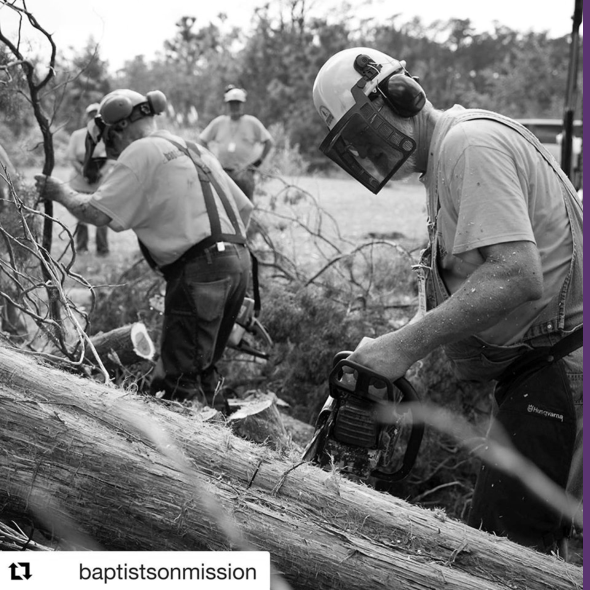
Because North Carolina is vulnerable to hurricanes, tornadoes, severe flooding and other adverse weather events, the State Commission continues to realize the importance and necessity of creating a culture of preparedness in all people and ensuring community resilience across the state. Disaster recovery needs often overlap with other areas of concern: Economic Opportunity, Healthy Futures, Food Insecurity, and Homelessness.
Goal:
Cultivate relationships and improve communication to coordinate disaster assistance.
Disaster Strategies
- Enhance Coordination of Disaster Preparation
- Enhance Coordination of Disaster Response
- Enhance Coordination of Disaster Recovery
- Promote Outreach and Awareness
- Provide Training and Capacity Building
Actions
1 - Enhance Coordination of Disaster Preparation
- Facilitate disaster preparedness across the state.
- Recruit and Train CERT (Community Emergency Response Teams).
- Utilize NeedsList for lists of groups with donated material and share with volunteer centers in each county, to allow for groups to receive needed materials quickly.
- Conduct outreach to volunteer centers to sign up on NeedsList platform.
- Reach out to VOAD groups for information to prepare lists of needs after disasters.
- Work with various government offices to establish protocol that other offices will share needed donations through their channels.
- Ensure a statewide nonprofit is willing to receive and disperse Disaster Grant Funds immediately. This is established each year in advance of the disaster.
- Create and update database of strategic partners annually.
- Provide national service programs with specific duties/roles for disaster response.
- Provide support for medical volunteer groups, especially in low income or historically marginalized communities, to improve the overall health and potentially reduce the impact of a future health crisis.
2 - Enhance Coordination of Disaster Response
- Serve as the lead agency for monetary and in-kind donations and volunteers in response to a disaster in the state.
- Work with Emergency Management, VOAD, Human Services, Businesses, Nonprofits, and FEMA to manage logistics and solve unmet needs.
- Promote CrisisCleanup and NeedsList via social media and marketing channels.
- Market Disaster Relief Fund nationally to assure sufficient resources reach areas of need within the state.
- Connect with volunteer centers to disseminate our disaster fund and volunteer needs.
- Gather spontaneous volunteer information and share volunteer opportunities on NeedsList, our website, and social media channels.
3 - Enhance Coordination of Disaster Recovery

- Connect with county Long Term Recovery Groups (LTRGs) to provide support and resources.
- Ensure equitable recovery is ongoing in every community using tools like NeedsList and organizations such as the NC Inclusive Disaster Network.
- Collaborate with NCORR (NC Office of Recovery and Resiliency) for their ReBuild and other disaster recovery programs.
4 – Promote Outreach and Awareness
- Update VolunteerNC website and social media during disaster.
- Prepare disaster-related social media in advance of an emergency/disaster.
- Promote volunteer opportunities with VOADs on NeedsList, our website, and marketing and social media channels.
- Promote disaster fund through our website, marketing and social media channels.
5 – Provide Training and Capacity Building
- Provide trainings on disaster and related topics to AmeriCorps programs and LeaderCorps members.
- Provide trainings/webinars on disaster-related topics to Volunteer Centers and Nonprofits especially on how they can prepare and engage volunteers for disasters in the state.
- Provide webinars for Long Term Recovery Groups (LTRGs) and other community stakeholders (feeding coordinators, donations coordinators, volunteer coordinators).
6 – Provide Support to Vulnerable Populations
- Focus on providing disaster trainings and resources to seniors and historically marginalized populations.
- Partner with groups that serve these populations to better prepare them for disasters.
- Work with Governor's Office Diversity Equity and Inclusion Director to provide support to vulnerable populations including immigrants and refugees.
Standing Priority: Older Adults
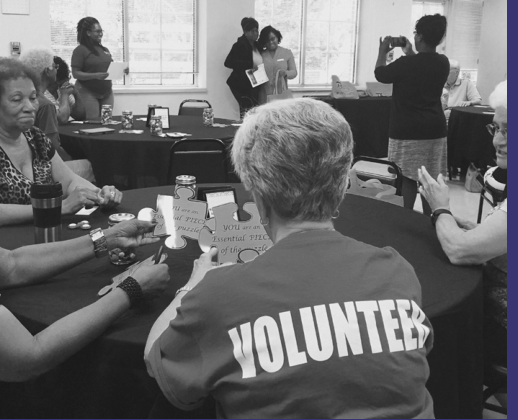
VolunteerNC supports our volunteers 55+ and up. We strive to make volunteerism easier to find and participate in, in a safe and meaningful way.
Strategies
- Increase communication
- Cross Stream National Service Networking
- Engage adults 55+ in service
Actions
1-Increase Communication
- Add Senior Corps programs and other aging organizations to email lists.
- Organize volunteer engagement for new retirees.
- Market the Governor's Service Awards to older adults and lifelong volunteers.
2- Cross Stream National Service Networking
- Facilitate at least one cross stream networking and/or training opportunity.
- Support the growth and/or development of AmeriCorps Senior projects by assisting AmeriCorps with potential partnerships.
3-Engage adults 55+ in service
- Include resources on engaging older adults as volunteers on the website.
- Encourage AmeriCorps programs to engage adults age 55+ as AmeriCorps members.
- Market volunteer opportunities in locations and methods that are more likely to attract older adults.